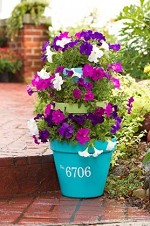
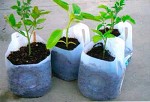
Growing vegetables is a fun and worthwhile gardening endeavor, but it may not be suitable for your needs or conditions. Gardening in containers, though, may just be the perfect solution for you. This week we will discuss everything you need to know to prepare the perfect containers to grow flowers or vegetables! Thursday, April 10, 2014
Soil in Oklahoma can be difficult to prepare for spring gardening and difficult to maintain in a nutritious state through the growing season. Since our soil may not be ideal in many places – too much sand or too much clay – we have to add amendments to enhance its growing capability. Composting is an ideal way to do that. Thursday, March 06, 2014
Here’s a fun project for your garden that can also involve the kids or grandkids! Plant a zoo garden using plants with animal names! Thursday, February 27, 2014
Roses are one of the most popular plants in Oklahoma gardens, and many are relatively easy to grow, especially the disease-resistant varieties like the Knock Out® rose. Roses offer color and fragrance in the garden, and many make wonderful cut flowers. If you have a garden, you should try your hand at growing roses! Thursday, February 20, 2014
Even though the weather is not yet warm, hopefully you are giving some thought to this year’s vegetable garden while we endure these cold days. If you haven’t considered planting vegetables because you think it might be difficult, take heart! Many vegetables do well in Oklahoma because we have such wonderful sun and heat during our summers, and many of our favorites are easy to grow. Peppers, both sweet and hot, cucumbers, and squash are all good candidates for your garden. So let’s look at what conditions you need and discuss which varieties you may want to grow.
Vegetable gardens need three basic conditions. First, they need full sun, at least 6 – 8 hours of direct sun a day. Next, they will need plenty of water; because most vegetables aren’t very tolerant of drought, you’ll need to water them during dry spells. The closer your garden is to water, the easier it will be for you. Finally, they need good soil; most vegetables do best in moist, well-drained soil that’s rich in organic matter, like compost or peat moss. Remember that it is best to start small if you are just beginning to garden; usually a 10 x 10 plot is perfect for most family needs, or, if you prefer, many varieties of vegetables also do well in containers on the patio or deck!
The cold weather keeps coming, so we gardeners have to busy ourselves with indoor activities. One of the tasks you can be doing in cold weather is planning for your next garden. If you are like many, you love plants with fragrance. Thursday, February 06, 2014
Oklahomans love roses. There are so many varieties to suit any landscape, but did you know that shrub roses can be the answer to some of our problems in the landscape? Whether you want roses with fragrance or no thorns, or roses that are cold-hardy or tolerate some shade, there are shrub roses that will suit your needs.
Roses are known for their lovely and unique fragrances, and shrub roses are no exception. There are roses with fruity scents like strawberry and peach, and those that smell like honey, carnations or cloves or the classic "rose" fragrance we all treasure. One way to find shrub roses with scents you like is to visit botanical gardens like the Dallas Arboretum, where you can smell the fragrance of the blossoms and decide your favorites. For example, if you enjoy the classic rose fragrance, try Charlotte, with soft yellow flowers that bloom throughout the summer; it is 24-36 inches tall and wide and hardy in Zones 5-9 (remember we are Zone 7). If you prefer pink, try Hawkeye Belle, which also blooms all summer and gets about 48 inches tall. Be sure to plant your fragrant roses where you can enjoy them – at the entrance to a path or near the front of a border or by the front entrance of your home.
Wouldn’t it be great to have earlier harvests for our favorite summer vegetables? Recent research has proven that our winters may be getting warmer by a degree or two, but that isn’t going to help much with creating earlier harvests. However, there are a number of techniques you can employ to enjoy home-grown vegetables this summer.
First, select early-maturing varieties for your vegetables; seed companies advertise many options for shorter maturity times for almost every type of vegetable. Look for those that mature at least 10 days earlier than the normal varieties. ‘Sweet Zuke’ or ‘Sure Thing’ are zucchini varieties that mature early, for example; earlier yellow squash varieties like ‘Early Summer Crookneck’ and ‘Early Prolific Straightneck’ not only produce harvests earlier, but also have many other good traits. Most seed companies offer similar choices for most vegetables.
Have you chosen the varieties of vegetables and flower you want to grow in your garden this year? As you can see from the new plant catalogs there are many exciting new varieties to grow this coming season, and now is the time to make your seed pu rchases. You can give your garden a head start by planting these seeds yourself and growing your own transplants.
February is the time to start your seeds, since many vegetables and flowers need 4-6 weeks to develop before they are ready to put into your garden. Because outside temperatures are still too cold to allow seed germination, you will need to create your own mini-greenhouse to provide heat and humidity for your seeds. Fear not – it isn’t complicated or expensive to do this.
Red, White and Blue Potatoes - Just in Time for July 4th
By Judy Kautz, Master Gardener
Gardeners like to experiment with new and unusual plants and vegetables, just to keep things interesting in their gardens. And one of the most exciting things about experimenting is sharing with fellow gardeners, especially if the experiment turns out to be a success.
Theresa, one of the master gardeners in our area, decided to try her hand at raising potatoes this spring. Of course, potatoes like cool weather and they mature in early summer, so this is the prime time for harvesting this year's spring crop. Not satisfied with plain old potatoes, she decided to plant red, white and blue potatoes for the 2012 crop.